
Search


- Categories
-
Hammered Bar & Tubing
-
Balusters & Pickets
-
Forged Steel Scrolls and Panels
-
Ornamental Wrought Iron
-
Ornamental Cast Aluminum
-
Hardware & Supplies
-
Security Screen Doors
- Custom Services - Build to Order
-
-
-



Tube and Fluted

Popular Questions with Answers
-
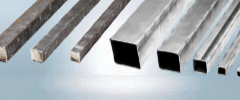
A tube baluster is fabricated from hollow steel tubing rather than solid bar stock. The result is a lighter component with a smooth, clean surface. Tube balusters are widely used in production residential construction due to their lower cost, lighter weight, and ease of cutting and installation.
-
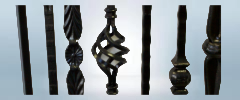
A fluted baluster has longitudinal grooves or channels machined or rolled into the surface of the tube, creating vertical ridges that add visual depth and refinement. Fluting references classical architectural detail and works well in transitional, Federal, and traditional Colonial design contexts.
-
Tube balusters should be used outdoors only when the top and bottom ends are welded to metal rails, which seals the hollow interior and prevents moisture from accumulating inside and causing internal corrosion. For outdoor use with non-welded rails, solid balusters are the recommended choice.
-
Hollow tube balusters can be cut with a hacksaw, angle grinder with a metal cutting wheel, or a chop saw with a ferrous metal blade. The hollow section cuts faster and with less effort than solid bar. Always cut from the bottom of the baluster to preserve the decorative top end.